:
:  :
: 

A Tesla modification makes your car more personal, more comfortable, and more fun to drive. But if resale value matters to you, every upgrade has to pass one test: will the next buyer see it as a gain or a risk?
Most Tesla buyers want their cars close to stock. A clean, modestly updated car feels safer than one with strong performance changes, unknown wiring, or cosmetic work that's hard to reverse. Extreme builds shrink your buyer pool because they depend on someone sharing your exact taste. The best Tesla mods for resale are usually protective, reversible, professionally installed, and well documented.
That doesn't mean every Tesla aftermarket mod is a mistake. Some Tesla mods are worth the investment because they preserve condition, improve comfort, and make the car easier to sell. The trick is knowing which changes are permanent and which are reversible before you spend the money.
Aftermarket vs. OEM for Used EVs
Aftermarket mods are parts or adjustments made after the car leaves the factory: paint protection film, aftermarket wheels, ceramic tint, alarm systems, suspension kits, seat covers, puddle lights, carbon fiber trim, emblems, and software upgrades.
OEM parts come from Tesla or its approved ecosystem. Non-OEM parts aren't automatically bad, but they can affect warranty status if they cause damage or interfere with vehicle systems. Tesla's warranty resources separate factory vehicle coverage from parts and repair coverage, and buyers of modified used EVs almost always want to know whether any changes could void protection.
Keep your receipts, installation records, product warranty cards, photos, and any compliance paperwork. A mod with documentation reads as an enhancement. A mod without it reads as a problem.
5 Aftermarket Mods That Can Add Resale Value

1. Paint Protection Film (PPF)
PPF is one of the safest Tesla upgrades to make before selling. It shields the paint from chips, scratches, bug damage, and road debris. A buyer may not pay for the full install cost, but clean factory paint makes your listing more competitive.
PPF returns the most value when it's professionally applied to high-impact areas: front bumper, hood, fenders, mirrors, rocker panels, and the trunk loading edge. Partial front-end coverage is often easier to justify than full-body PPF.
Keep the installer invoice, film brand, coverage map, and warranty details. If the warranty is transferable, say so in the listing. A clean PPF install tells buyers the car was protected early and cared for.
2. Aftermarket Wheels and Tires

Good-quality, properly sized aftermarket wheels with reputable tires can add resale appeal. On EVs, a clean set from a known brand in excellent condition may recover only a fraction of its cost, often around 10% to 20%, not dollar-for-dollar. Stick with reputable manufacturers, avoid extreme offsets, and stay close to stock proportions.
The smartest move is to keep the factory wheels. When you sell, offering the OEM set puts you ahead, since many buyers and appraisers prefer the car close to stock. You can list the car on factory wheels and offer the aftermarket set separately, or include both. That reassures buyers the car can return to stock.
Winter wheels add real utility in colder climates. If you have a winter set, note the tread depth, tire age, wheel size, TPMS compatibility, and whether it's been balanced recently.
3. Quality Window Tint

Quality ceramic window tint is one of the most practical Tesla interior modifications. It cuts heat, protects interior surfaces from UV, adds privacy, and sharpens the car's look. The resale value lives in quality and legal compliance, not in how dark it is.
Let a specialist install ceramic tint. Keep the invoice, film brand, warranty card, and compliance info. Tint laws vary by area, so label the tint percentage on each window and include any inspection records with the sale.
Avoid ultra-dark tint that could fail inspection or make buyers worry about removal costs. Tint is a personal choice, and an illegal or overly dark film turns off most buyers even if you love it.
4. Alarm and Security Aftermarket Parts
Professionally installed, well-documented security gear can support resale. A clean alarm, GPS tracker, dashcam power kit, or anti-theft setup appeals to buyers who park outdoors or live in high-theft areas.
Paperwork is everything here. Aftermarket parts that involve wiring can scare off used-EV buyers if the install looks messy. Include wiring notes, the installer receipt, the product manual, the warranty, and removal instructions.
When you list the car, add a short clip showing the system working: siren, GPS tracking, dashcam power behavior, lock alerts, and app notifications. Buyers trust what they can see.
5. Reversible Cosmetic Mods
Reversible cosmetic upgrades are popular because they improve the car without permanent changes: removable trim overlays, vinyl console wraps, reversible carbon fiber mods, puddle lights, all-weather mats, trunk liners, console organizers, custom seat covers, and subtle badge swaps.
- Seat covers: fit and quality matter to Tesla shoppers. Premium covers that protect clean factory seats can be a plus. In most cases, protective accessories like mats and organizers help resale more than cosmetic trim because they preserve factory surfaces. Cheap, loose, or airbag-blocking covers kill buyer confidence. Tesla's owner manuals warn that seat covers can interfere with seat-mounted airbag deployment, so use only compatible designs and disclose them.
- Puddle lights are a small cosmetic touch and rarely add real resale value on their own.
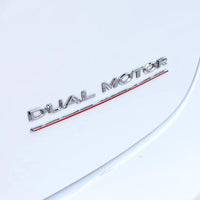
- A badge or emblem swap is similar: nice for the right buyer, not something to price aggressively. Keep the original badges so the next owner can revert.
- Carbon fiber mods depend entirely on quality. Real or quality carbon-look trim can support a sporty build. Cheap stick-on pieces make the car look less premium. Either way, keep the original panels for reinstallation.
3 Performance Mods That Often Hurt Resale Value
Performance Tunes and Software Changes
If resale value matters, avoid performance tunes and software tweaks that unlock extra speed. They lead buyers to assume harder use and raise concerns about battery pack and motor wear, plus questions about software compatibility and warranty coverage.
Used-EV buyers care deeply about battery health. Consumer Reports recommends checking battery condition, warranty coverage, and charging behavior before buying a used EV. If you plan to trade in soon, skip these mods, because a dealership will usually mark them down for complicating the appraisal.
Lowering and Suspension Mods

Lowering springs, coilovers, and aggressive suspension setups improve stance and handling but narrow buyer appeal. Many shoppers worry about ride comfort, tire wear, alignment, scraping, and uneven suspension stress. A lowered car can also signal that it was driven hard. That may be unfair, but resale runs on buyer perception.
It's usually best to reinstall the stock suspension before selling and sell the performance parts to an enthusiast separately. A near-stock car appeals to more appraisers and private buyers.
Aggressive Brakes and Track Hardware
EVs don't need exhaust upgrades, but some owners add aggressive brake packages, racing pads, tow hooks, aero elements, or cooling and chassis parts built for track use. These read as heavy-duty, and many buyers see them as evidence of track abuse. That hurts confidence, especially on a modified EV where battery health is already the top concern.
If you have big performance parts installed, consider returning the car to stock and selling those parts on their own. Enthusiasts will often pay more for the parts than a typical buyer would add to the car's price.
Warranty, Battery Health, and Legal Disclosure
The number one concern for any modified EV buyer is battery health. Before listing, get a battery health assessment or service records showing range, degradation estimate, and warranty status. Battery reports, inspections, test drives, and warranty reviews are the core tools buyers use to evaluate a used EV.
Document every change: brand, installer, date, warranty, receipts, and whether the part is reversible. Note anything that was deleted, and mention any stock parts you still have.
Legal disclosure matters too. Rules vary by location for tint darkness, lighting changes, wheel fitment, suspension height, and other safety-related items. The buyer shouldn't inherit a compliance problem.
Selling Paths: Trade-In, Private Sale, and Enthusiast Markets
Dealers usually discount modified cars. A trade-in is convenient, but aftermarket changes on EVs often lower the offer by roughly 5% to 15%, depending on how extensive they are. Dealers favor inventory that's easy to inspect, finance, warranty, and resell, so even tasteful mods may earn little credit.
A private sale gives you room to explain the value of your Tesla aftermarket mods. You can show receipts, clips, battery health data, and before-and-after photos. Private buyers may appreciate your work more than a dealer would, but the more customized the car, the fewer people who'll value those changes, so expect tougher negotiations and a longer search.
If you've built something niche, list it on EV-focused marketplaces, Tesla owner clubs, and enthusiast forums, where buyers understand smart interior upgrades, carbon fiber mods, wheel packages, and security systems. Decide before listing whether you're selling privately, returning the car closer to stock, or going the dealer route, since the more extreme the mod, the smaller the buyer pool.
Pricing Strategy
Start with clean comparable listings: same model, year, mileage, trim, battery, accident history, color, and location. Kelley Blue Book bases its valuation tools on current market conditions for retail, trade-in, and financing prices.
Then adjust modestly for documented improvements. If PPF cost $3,000, you can frame that as protecting condition and giving the buyer confidence, not as a flat $3,000 add. Break out parts vs. car cost in your ad:
- Vehicle price: based on comparable clean, stock cars
- Upgrades: PPF, ceramic tint, wheel set, seat covers, floor mats, alarm system
- Optional extras: second wheel set, carbon fiber trim, emblem swap, original panels
That makes negotiating easier and stops buyers from feeling forced to pay for mods they don't want.
How to List a Modified Tesla
Photograph every aftermarket part and its install location. Get close-ups of PPF edges, wheels, tire tread, tint, seat covers, dashboard trim, puddle lights, emblems, suspension height, and any under-seat or trunk wiring.
If the platform allows, upload receipts and service records so buyers can review battery health, warranty status, and Tesla service history directly. Otherwise, keep documentation ready on request.
If you still have the original parts, you're ahead of the game. Offering to return the car to stock before delivery reduces hassle and widens your audience beyond enthusiasts.
Should You Remove Mods Before Selling?
Remove problematic, niche, or irreversible changes when you can: aggressive overlays, extreme logos, loud interior colors, low-quality carbon fiber, sketchy wiring, and stiff suspension setups. Bringing the Tesla closer to stock usually makes sense, since most used-EV shoppers want something easy to evaluate and own.
Keep tasteful, reversible upgrades that protect the car or make daily driving easier: well-fitted PPF, ceramic tint, quality mats, clean seat covers, a second wheel set, and documented security parts. Body kits and highly personalized trim are personal choices that may not appeal to many buyers even if you love them.
Selling high-value mods separately often recovers more than leaving them on the car, and returning the car close to stock can shorten your wait for a mainstream buyer.
Key Takeaways
The best Tesla modifications for resale are protective, reversible, professionally installed, and easy to document. PPF, ceramic tint, official software unlocks, refreshed wear points, quality wheels, security systems, and clean removable cosmetics can all support resale when they come with records.
Watch out for the mods that raise red flags: performance software tweaks, stiff suspension swaps, track hardware, permanent cosmetic changes, and anything that hints at battery or powertrain stress.
For the most buyer trust, keep the car near stock, save the original parts, document every improvement, and disclose everything in writing. A modded Tesla can still sell well. Just don't assume mods raise value dollar-for-dollar, protect the car, go easy on performance changes, and make the next owner feel safe buying it.
Visuals are AI-generated references. Actual products may vary; see product pages for real photography.